
Bridging the Gap Between Academia and Industry: Reflections on the Nerithonx Technology Workshop
A professional reflection on the Nerithonx Technology workshop on 'Bridging the Gap Between Academia and Industry,' discussing strategies to align computer science education with tech sector requirements.
Key Takeaways & TL;DR
A professional reflection on the Nerithonx Technology workshop on 'Bridging the Gap Between Academia and Industry,' discussing strategies to align computer science education with tech sector requirements.
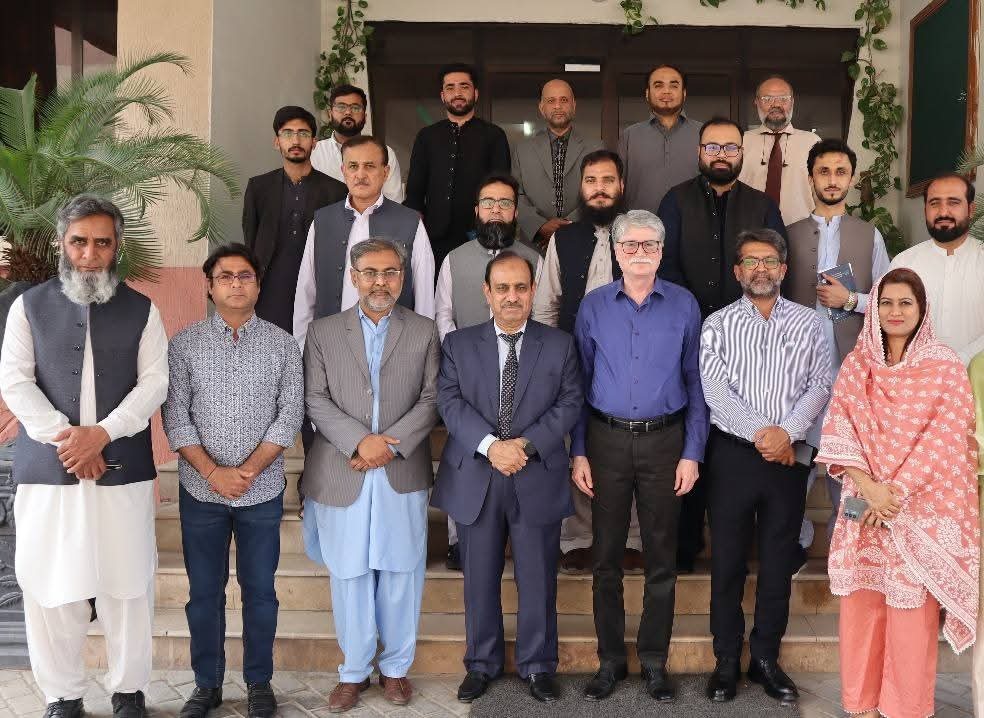
Approximately one year ago, while serving as a Manager at Nerithonx Technology, I had the privilege of representing our team and participating in a highly engaging, collaborative workshop on the theme of “Bridging the Gap Between Academia and Industry.”
The event brought together leading academicians, educators, software engineers, and managers from prominent tech organizations to tackle one of the most persistent bottlenecks in modern technology sectors: the alignment of higher education curricula with the rapidly evolving, pragmatic demands of the professional software industry.
The Core Challenge: Curricular Mismatch
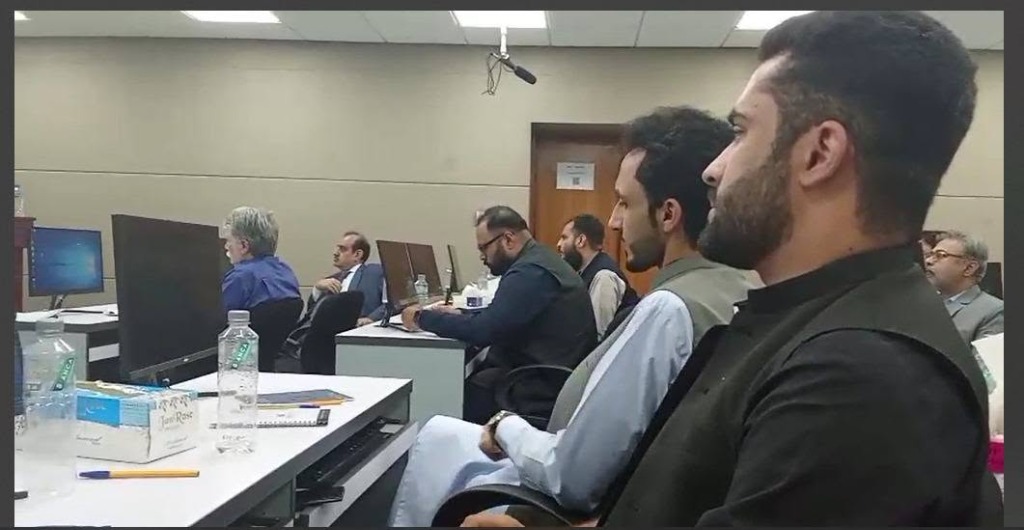
The workshop opened with a deep dive into the classic dilemma: academic institutions often prioritize theoretical foundations, while tech firms evaluate talent based on immediate development capacity and architectural problem-solving. This mismatch leaves many graduates technically competent on paper, yet unprepared to handle production codebase operations, continuous integration setups, or collaborative scoping pipelines on their first day of work.
During the key panel discussions, we focused on shifting the educational trajectory from pure theoretical study to action-oriented engineering. Key highlights of the debate centered on integrating tools like version control (Git/GitHub), database migrations, and performance optimization into standard university semesters.
Three Pillars of Collaboration
Over the course of the workshop, participants aligned on three primary strategies to foster stronger ties between academia and tech enterprises:
- Developing Practical Skills: Moving beyond simplified textbook sandbox exercises. Students should build and deploy real-world full-stack architectures, run unit tests, and perform refactoring to understand scalability and clean-code design.
- Active Industry Internships & Mentoring: Establishing formal channels where senior developers and tech managers actively mentor students during their final-year projects, matching academic criteria to commercial project deadlines.
- Joint Capstone Scoping: Technology firms like Nerithonx collaborating with universities to draft capstone projects based on actual customer challenges, exposing students to product scoping, client feedback loops, and agile sprint timelines.
Reflecting on Career Readiness
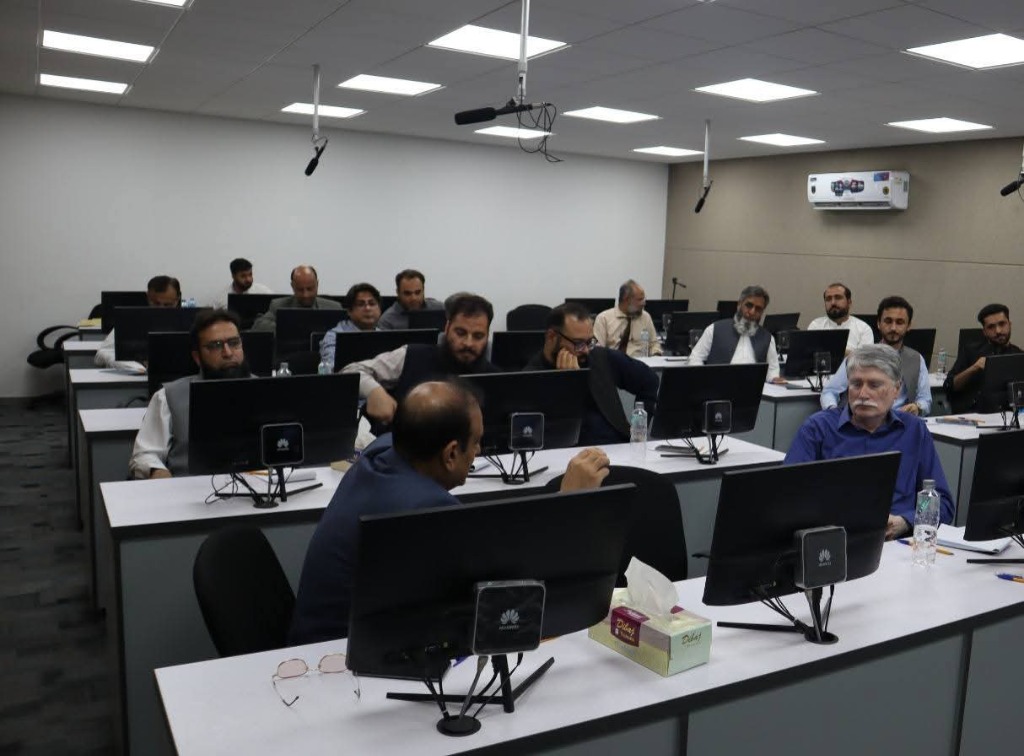
As a Manager during the event, my focus was on the transition window: how we prepare candidates to enter high-pressure software engineering teams. An authentic transition requires students to understand that code is read far more often than it is written. Learning to review code, write test coverage, and navigate legacy software codebases are skills that must be integrated early in the educational lifecycle to save companies months of onboarding overhead.
Implications for My Engineering Perspective
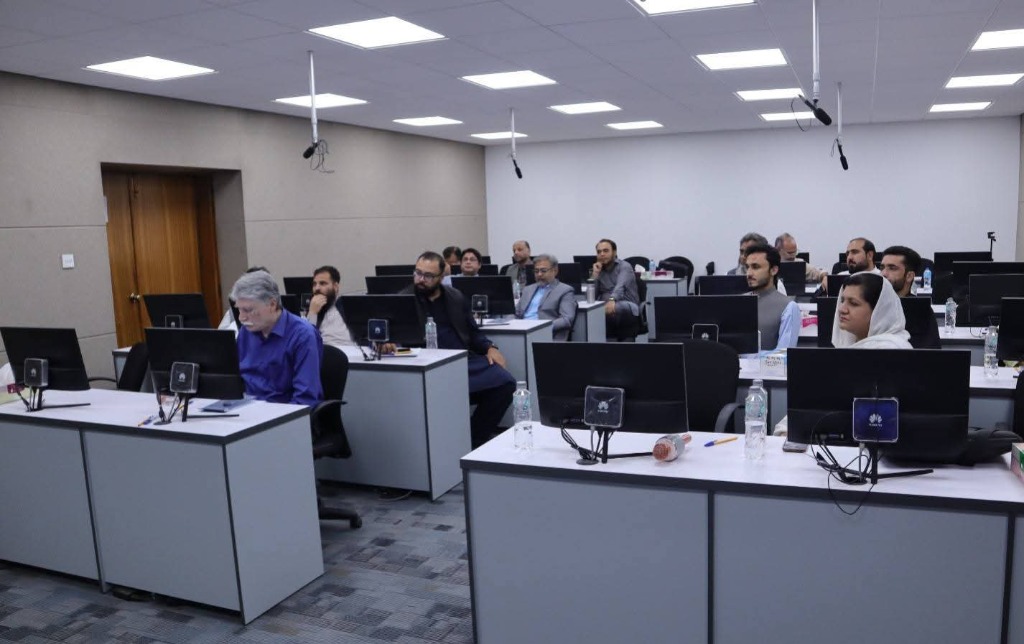
Participating in this workshop profoundly shaped my professional philosophy and my work at BeaconHub Solutions. It reinforced our commitment to direct developer communications, realistic scoping, and code transparency. By eliminating the traditional layers of bloated management, we actively strive to cultivate an engineering culture that values clear, maintainable architecture, structured documentation, and real-world results.
Ultimately, bridging the gap between academia and the technology industry is not a one-time initiative, but an ongoing partnership. Educational institutions and technology companies must continue to share insights, updates, and feedback to equip the next generation of engineers with the tools and mindset required to build sustainable digital infrastructures worldwide.
- ✓Follow modular, clean architecture design principles.
- ✓Implement robust automated unit testing pipelines.
- ✓Profile database relationships early to prevent ORM index bottlenecks.
- ✗Never launch unoptimized SQL queries to production databases.
- ✗Avoid building monolithic backends without automated CI/CD checks.
Bilal Ahmad
Lead Software Architect & CS Mentor
Software Engineering graduate from MUST University with 3+ years of Computer Science teaching experience. Bilal has built high-performance backends and automated AI architectures for businesses globally.
Turn These Concepts Into Production-Ready Systems.
From custom full-stack web platforms to automated Python backends and technical SEO—let's scope your next project.